
 ChatGPT
 Perplexity
 Gemini
Most brand awareness campaigns look the same. A tagline, new logo reveal, a color palette, maybe a founder quote, product shots, human emotions — and then they vanish from memory within a week.
While some showed up at exactly the right moment – during a cultural event, a seasonal window, or an industry shift that made the message feel timely. Think about how certain brands own specific holidays or sporting events year after year. Others were built to stay relevant for months. Some unexpectedly went viral and then vanished.
What separates the campaigns that people recall consciously or sub-consciously?
One of the common patterns across the brand awareness campaigns that really worked – whether from a global consumer brand or a SaaS company – is that they spoke directly to what their audience was already thinking, feeling, or experiencing.
In this blog, we break down 15 of the best brand awareness campaign examples across B2B and B2C – from household names to software companies.
What is Brand Awareness?
Brand awareness is the extent to which buyers recognize and recall your brand when a problem or category comes to mind. In practice, brand awareness marketing ensures your name feels familiar before comparison and shortlisting begins.
How do you create brand awareness on social media?
You create brand awareness on social media by repeating one clear message until it becomes familiar to the right audience. A strong social media awareness campaign prioritizes consistent visibility over one-time spikes. This way buyers recognize the brand before they ever click or compare.
What is an example of a brand awareness message?
An example of a brand awareness message is a short, repeatable line that clearly states who the brand is for and what problem it solves. Strong campaign message examples focus on recognition, not persuasion, so buyers remember the brand before they’re ready to evaluate options.
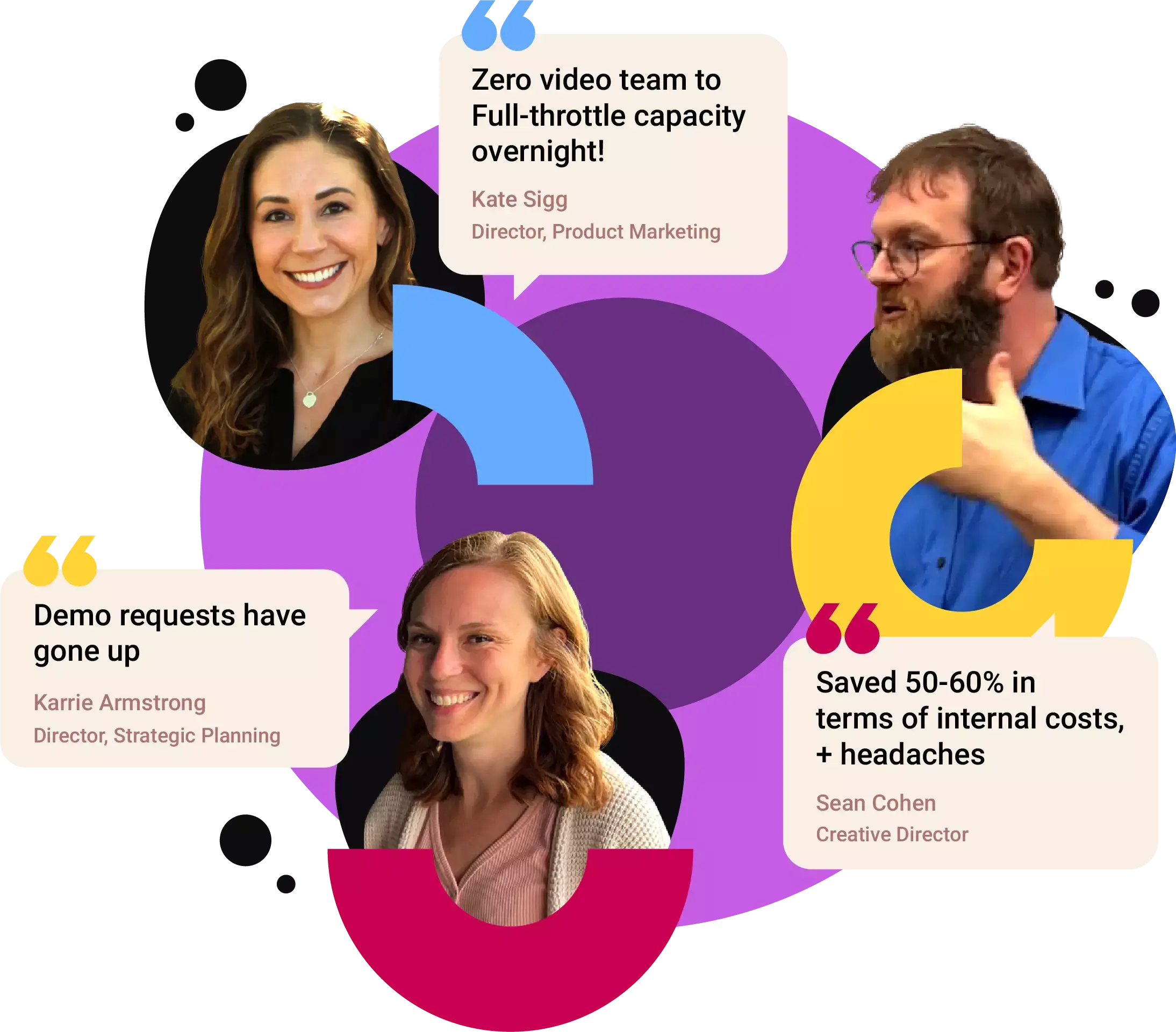
We have made videos for 200+ B2B & SaaS companies.
Explainer Video, Product Demo, Remote Video Testimonials, and more.
15 Best Brand Awareness Campaign Examples
According to 6sense, 94% of buyers are using LLMs in their buying process. This signifies the importance of brand familiarity in 2026 and how it influences shortlisting even before they compare features.
These brand awareness campaign examples show how consistency, timing, and clear positioning create recall before buyers ever compare tools. Each example will help you understand how brands use brand awareness events and media to stay top of mind.
1. Google Workspace
Duration: 1 minute 30 seconds approx
Best for: B2B teams launching new tools
Campaign Strategy: The video opens like a product launch, then changes into fast UI-led scenes. You see a storyboard-style layout, template tiles, and clean prompt moments that hint AI is building the first draft.
Product screens stay front and center, with motion that guides your eyes such as slide-to-video flow, quick cuts, and simple transitions. Visuals feel Google clean with lots of white space and bright accent pops. It closes with a clear end card that supports recall.
Why it Works: This brand awareness campaign examples video sells the idea visually. There are fewer words, and more “watch it happen” moments. The UI is the hero, edits are quick, and the final brand lockup makes it easy to remember who shipped it.
Quick Tip: If you’re showing software, keep shots short and purpose-driven. Use one on-screen highlight per scene, then end with a simple brand lockup that includes where to find you.
2. ABBYY (Created by Content Beta)
Making a video for B2B & SaaS products needs a different mindset.
Duration: 2 minutes approx
Best for: Ops leaders selling document AI internally
Campaign Strategy: The video uses brand awareness campaign ideas without depending on people footage. The structure is set up for a clean motion-graphics explainer:- two AI types shown as separate lanes. One lane shows documents (invoices, contracts) turning into neat, structured fields. The other lane shows an LLM layer doing summaries, drafts, and trend analysis.
The key visual move is a before/after or old way/new way split screen:- messy, risky outputs vs validated, traceable outputs. The ending merges both lanes into one workflow line to signal “together is smarter.”
Why it Works: The visuals make an abstract topic feel concrete. Documents → extracted facts → usable outputs. The “two lanes combined” layout is easy to remember. It also makes the risk message feel real.
Quick Tip: If you’re explaining complex tech, show it as a simple step by step guide. Keep labels short.
3. Nike

Duration: 1 minute 30 seconds approx
Best for: Brands targeting teen girls in sport
Campaign Strategy: Nike builds the brand video through real locations and quick, confident cuts. It opens on schoolgirls playing football in Riyadh, with the ball rolling to a girl sitting out. The invite lands on-screen as action, and not explanation: “Want to play? Let’s go.” This acts as the pattern interrupt that pulls you in.
Then the film bundles short scenes of girls trying different sports across streets, schools, and courts. Clothing and settings stay culturally grounded, so it feels local. All these visual elements cumulatively make it a solid reference for awareness campaign examples.
Why it Works: This brand awareness campaign examples video makes momentum visible. Each scene shows a small step forward, filmed with energy and realism. You remember the feeling first, then the brand.
Quick Tip: Start with one visual moment that invites the viewer into the action. Then use 6–10 rapid micro-scenes to show progress across different settings. Keep every shot culturally believable.
4. LatentAI (Created by Content Beta)
Making a video for B2B & SaaS products needs a different mindset.
Duration: 1 minute 30 seconds approx
Best for: Engineering teams building edge AI products
Campaign Strategy: The video explains Edge AI using clear visuals. It starts by showing problems as images such as broken connections, oversized models, and expensive GPUs slowing everything down. Then it switches the story. Models get smaller, performance bars go up and costs go down.
Simple motion graphics guide you step by step, like a teacher drawing on a board. Short industry shots in sports, factories, stores, cities show where Edge AI actually lives.The content follows a simple, step-by-step flow, making this a strong brand awareness campaign example for complex tech.
Why it Works: It teaches before it sells. You can see the problem, then watch it get fixed. Numbers feel real because they’re tied to visuals, not claims.
Quick Tip: When explaining hard tech, show problems as pictures first. Then solve them visually. One idea per scene. Use simple numbers on-screen (1–2 stats max). Let the viewer feel smarter by the end.
5. Coca-Cola
Duration: 45 seconds
Best for: Gen Z friendship and sharing moments
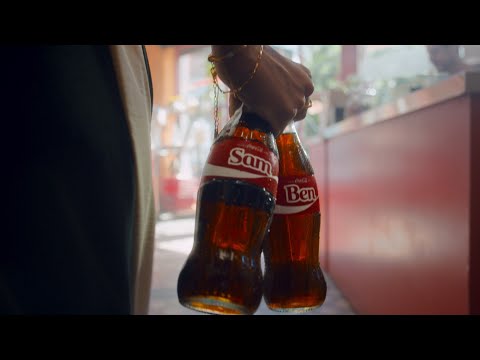
Campaign Strategy: In this brand awareness ad, Coca-Cola turns the bottle into the main visual hook. You see close fridge shots of bottles labeled with real names. A girl spots two names, clicks a photo, and the story jumps to friends in different places.
Notifications and simple phone icons float on screen to show “life is busy.” Then the drink shows up at the right moment, like a small bit of magic. The red brand tone stays steady across scenes. Strong product silhouette / packaging shot focus makes the idea unforgettable.
Why it Works: It makes personalization visible in one second with names on bottles. The tech overlays feel modern, but the lasting impression comes from a physical result that people can actually feel. Friends meet, laugh, and clink bottles. The brand presence is clear without heavy text.
Quick Tip: If your product can be customized, show it in tight close-ups early. Then repeat it in 3–4 different real-life scenes. Keep the same brand color energy throughout. In this way, viewers will remember it later.
We know how to sell your story using your product UI
6. Figure8 (Created by Content Beta)
Making a video for B2B & SaaS products needs a different mindset.
Duration: 1 minute 30 seconds
Best for: Defense AI teams needing clean training data
Campaign Strategy: This brand awareness campaign examples video plays like a crisp motion-graphics explainer. It shows “bad data” as messy files and warning icons, then shifts to “quality control” with neat checkmarks and audit trails. You will find quick visual callouts for data types (EO/IR, SAR, audio, text), plus simple interface shots like allocating tasks to experts, building labeling screens, and tracking real-time metrics.
The smart move is burned-in captions for every key claim, so the message lands even on mute. This is one of the best examples for video marketing awareness in a serious category.
Why it Works: It makes risk visible. Then it makes control visible. The viewer can see trust through audits, metrics, and expert review, not just promises.
Quick Tip: Show one messy “before” frame, then one clean “after” frame. Keep labels big. Use simple icons so even non-technical viewers can follow fast.
7. Slack

Duration: 2 minutes 30 seconds approx
Best for: Small teams looking to streamline internal communication
Campaign Strategy: Slack uses a documentary-style office setup with real people, awkward moments, and quick scene switches. The logo appears early, so you know the brand from the start. You see the “before” as a jumble of tools, closet meetings, and scattered chats. Then the “after” becomes visually organized. Channel lists, drag-and-drop files, and integrations are shown as simple on-screen labels.
The UI appears only when it supports the human scene, so it never feels like a software tutorial. All these strategies make it a strong pick for b2b brand awareness campaign examples.
Why it Works: It shows the problem in recognizable scenes, not abstract claims. Humor makes it memorable. Clean UI glimpses prove it’s real, while the team reactions make the transformation believable.
Quick Tip: If you’re marketing a B2B tool, film “work pain” in real spaces. Add UI only as supporting evidence. Keep labels big and simple. Let one recurring visual (channels list) tie everything together.
8. ServiceNow (Created by Content Beta)
Making a video for B2B & SaaS products needs a different mindset.
Duration: 1 minute
Best for: Enterprise teams shopping for ITSM + CSM
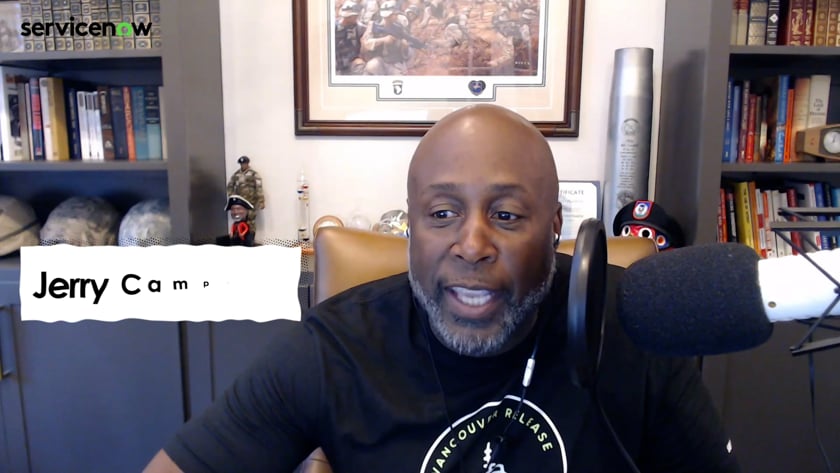
Campaign Strategy: This one looks like a customer interview story, filmed in a simple, professional setup. You’ll see two speakers on camera, clean lighting, and a neutral background so the focus stays on their faces. To keep it from feeling like a boring webinar, these videos are usually edited with B-roll such as dashboards, support inbox scenes, people working, and simple text overlays that summarize key points (“shared inboxes,” “dark corners,” “understand why customers reach out”).
The smartest visual choice is keeping the message grounded in everyday work visuals, making it a great example for brand trust building in B2B awareness marketing.
Why it Works: Real humans build credibility fast. The steady pacing feels serious. And the short on-screen summaries make it easy to follow even if you’re half-watching.
Quick Tip: For testimonial-style awareness videos, don’t just film talking heads. Add B-roll that matches the exact pain point. Put 5–7 word captions on screen to lock the message.
If you are a SaaS or software team planning your next brand awareness campaign, Content Beta can help you move faster – turning creative into long-term visibility. Our focus on this space means less back and forth, less handholding – your ideas turn into ready-to-use assets quicker because we already understand the context you are working in.
9. Monday.com
Duration: 40 seconds approx
Best for: Ops leaders selling AI to teams
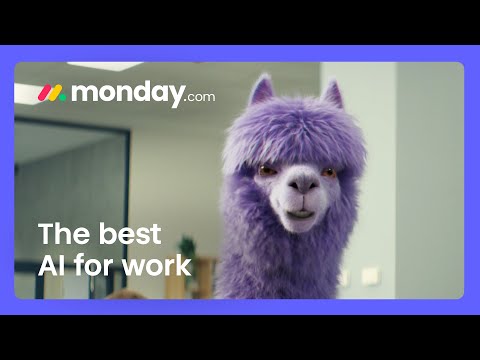
Campaign Strategy: This advertising for brand awareness is built like a fast product demo. It uses a talk-to-camera opener, then cuts into bright, animated UI boards that show AI working inside real workflows. Each use case gets its own mini-scene like marketing emails, sales follow-ups, and recruiting CV sorting.
The visuals rely on big on-screen labels, simple icons, and quick zoom-ins on key UI fields. The same headline style repeats across sections, showing consistent font style. Also, the product stays visually present the whole time.
Why it Works: You don’t hear the benefits. You see them. The rapid scene swaps keep attention. The UI close-ups make the claims feel solid. The repeated typography makes the message stick.
Quick Tip: For AI video production, show inputs and outputs on screen. Use one clear UI highlight per scene. Repeat the same text style across the whole video so viewers remember the promise, not just the pace.
10. Grayscale (Created by Content Beta)
Making a video for B2B & SaaS products needs a different mindset.
Duration: 5 minutes 30 seconds approx
Best for: Crypto brands targeting accredited investors
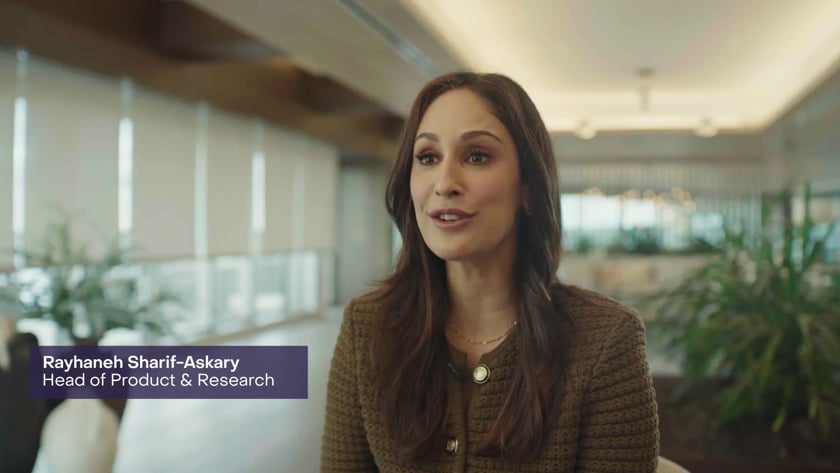
Campaign Strategy: This feels like an executive announcement video. One calm speaker on camera, clean framing, and minimal background. Then the visuals do the heavy lifting with simple on-screen headings (“launch,” “why Doge,” “how we evaluate”), plus clean icon-style graphics to explain big ideas like “top-down vs bottom-up.”
When the script shifts to Helium and networks, the video uses diagrams (nodes, hotspots, coverage circles) to keep it visual. Text is kept readable with safe-zone text placement. Good reference for brand campaign examples.
Why it Works: This brand awareness campaign examples video borrows credibility from the speaker’s presence. And it uses simple visuals to make complex crypto topics feel less intimidating.
Quick Tip: If you’re doing a “leader explains” video, keep the background quiet. Use short on-screen headings to break sections. Add one clean diagram for every big concept.
11. Starbucks
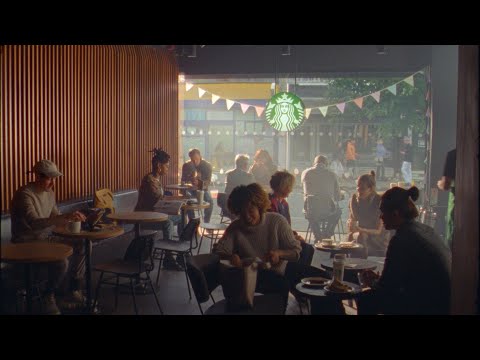
Duration: 1 minute
Best for: Lifestyle brands selling community, not product
Campaign Strategy: Starbucks opens with a warm setting/establishing shot of a busy café. You see tables as tiny stages. Each cut shows a different micro-story: sketching, meeting, waiting, pitching. Light is soft and golden. The background stays slightly hazy, so faces and hands stand out.
The camera lingers on small actions (pens, cups, nervous smiles). Branding is not shouted. It’s baked into the environment with the café look and familiar cup presence. This is one of those brand awareness campaigns that wins through mood and repetition.
Why it Works: It makes the viewer feel, “I’ve been at that table.” The ad sells a place people return to. The brand becomes the backdrop for real life.
Quick Tip: If your brand is about belonging, film many small stories in one location. Keep lighting consistent. Repeat one visual anchor. This will ensure the viewer remembers the world, then remembers you.
12. NECTARHR (Created by Content Beta)
Making a video for B2B & SaaS products needs a different mindset.
Duration: 1 minute approx
Best for: HR teams buying employee-facing software
Campaign Strategy: This snackable content for brand awareness is likely a hype-style customer reaction video. One person on camera, fast jump cuts, and big caption callouts (“Windows 98,” “no-brainer,” “top of the pack”). The visual goal is simple: make the speaker’s excitement the hero.
You’ll usually see tight framing on the face, clean background, and light b-roll of the product UI to prove it’s real. The edit keeps a clear focal point: the speaker + the key quote on screen.
Why it Works: The energy feels viral. The “Windows 98” line is a sticky visual moment when paired with a reaction shot or UI contrast. Short captions make it easy to watch on mute.
Quick Tip: Don’t show the whole interview. Pull 4–6 punchy lines. Put each line as big on-screen text. Keep the camera tight on the face so the emotion carries the message.
13. Grammarly
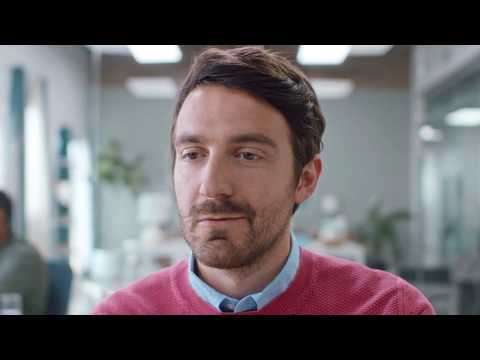
Duration: 1 minute approx
Best for: Office workers who overthink every email
Campaign Strategy: In this brand recognition example, Grammarly sets the scene in a plain office. Two desks sit close, but the edit uses distance gags to make it feel huge. The camera stays tight on Tyler’s face, his screen, and Anita’s reactions. You see the email being rewritten in real time, with specific words replaced to sound confident.
Quick flashback cuts show the elevator incident as a single awkward visual beat. A timer on-screen counts the reply moment, grounding the moment in real time. Subtle watermark or corner logo keeps brand presence without interrupting the story.
Why it Works: This brand awareness campaign examples video turns a boring feature into a relatable mini-movie. Clear visual cause-and-effect is shown. Better wording means better reaction. The distance metaphor makes the emotion easy to remember.
Quick Tip: Show the edit, not the explanation. Use tight screen close-ups for the exact word changes. Close with a memorable visual beat to drive recall.
14. Content Beta on Why Short-Form Videos
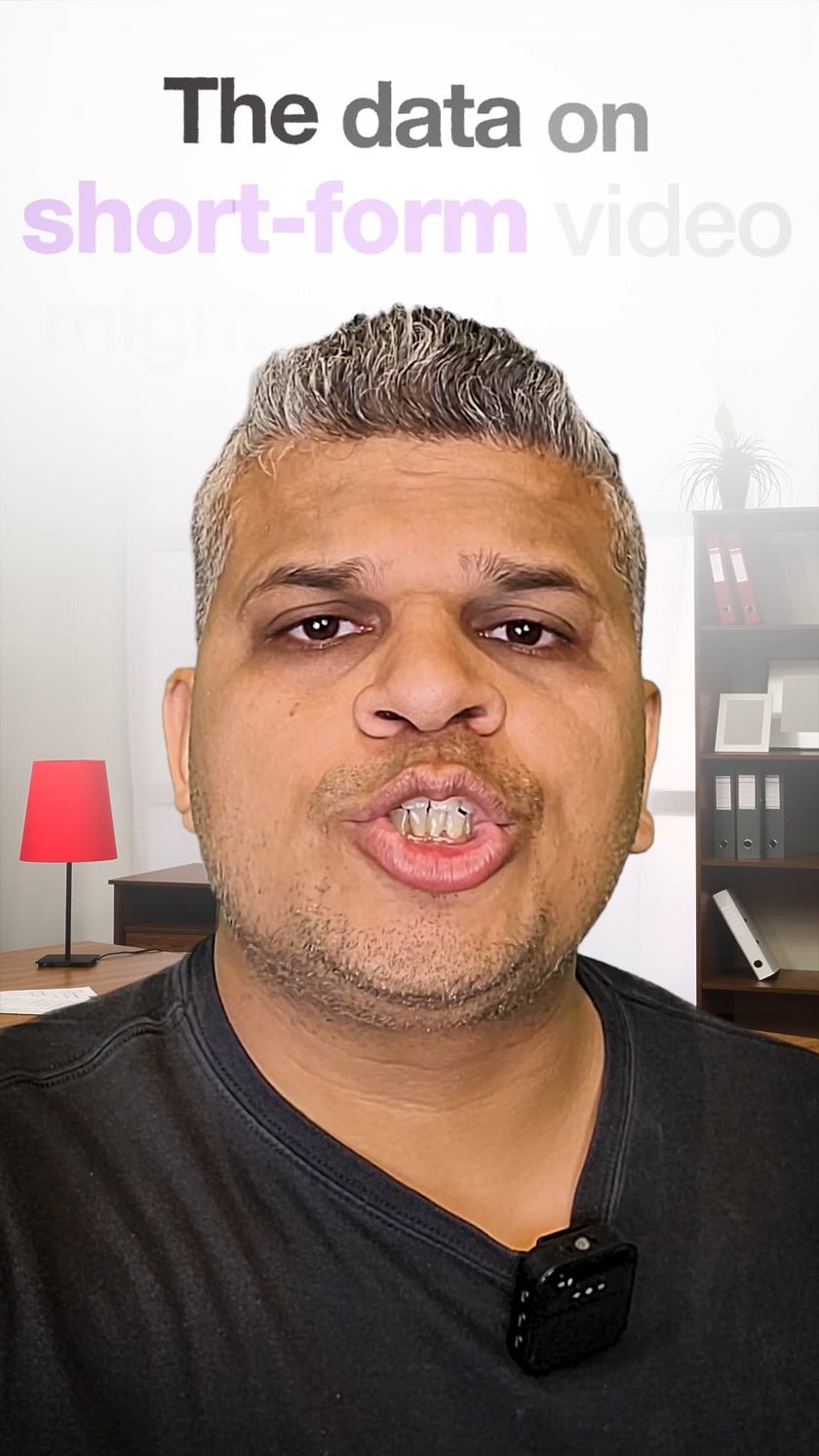
Making a video for B2B & SaaS products needs a different mindset.
Duration: 1 minute
Best for: B2B marketers pitching short-form to execs
Campaign Strategy: This looks like a clean, talk-to-camera data micro-lesson. The screen stays minimal: one speaker, then big on-screen stats that match the voiceover (“59% of executives choose video over text”). The edit uses big, readable headline text and timestamps to keep you moving.
It’s built for silent viewing too: short lines, spaced out, and easy to scan. The pacing is “one point per beat,” ending with a simple how-to: turn one insight into a ~60-second video.
Why it Works: It makes the claim feel credible because numbers are shown, not just said. And the advice is actionable right away: one insight, one short video, one clear point.
Quick Tip: If you’re doing a data-led awareness clip, show the stat as the biggest thing on screen. Then add a 1-line takeaway under it. Don’t stack multiple ideas in one scene.
15. Hootsuite

Duration: 30 seconds
Best for: Social media managers at growing brands
Campaign Strategy: Hootsuite turns “social is chaotic” into a safari movie. It uses a strong first frame with fast, loud visuals that feel like you’re being dropped into the jungle. Then it keeps cutting between exaggerated “wild” moments (creators, pets, culture chaos) and calm, guided beats that position Hootsuite as the one in control.
The look is intentionally social-first with punchy color palette, bold typography, and creator-style cinematography. It also depends on their mascot energy to keep things playful.
Why it Works: The metaphor is visual and instant. You don’t need product knowledge to get it. The contrast between wild scenes and guided control makes the brand role stick in memory.
Quick Tip: Pick one big metaphor your audience already feels. Then show it with extreme visuals. Return to your guide moments often, so viewers connect the disorder to your brand solution.
So, as you can well understand, the strongest brand awareness campaign examples weren’t louder. Rather, they were clearer and more consistent over time. That’s what turns creative execution into real brand awareness marketing that improves recall before buyers ever enter comparison mode.
We know how to sell your story using your product UI
Importance of Brand Awareness for SaaS
In SaaS, buyers don’t wake up ready to buy your product. They shortlist brands they already recognize.
That’s why brand awareness isn’t a vanity metric in SaaS. It’s a revenue prerequisite.
Here’s why it matters more than most teams admit:
1. SaaS buying cycles are long and non-linear
Buyers research quietly, loop in multiple stakeholders, and delay decisions. Brand awareness ensures your name feels familiar when internal discussions start. Familiar brands get invited into the conversation earlier.
2. Awareness reduces perceived risk
SaaS buyers aren’t just buying features. They’re buying reliability, support, and continuity. A visible brand signals legitimacy and lowers hesitation, especially for mid-market and enterprise buyers.
3. It improves performance across every channel
Paid ads convert better. Sales emails get higher replies. Demos feel warmer. Remember, awareness doesn’t replace demand. It makes demand faster. See for yourself why B2B marketing needs brand building:
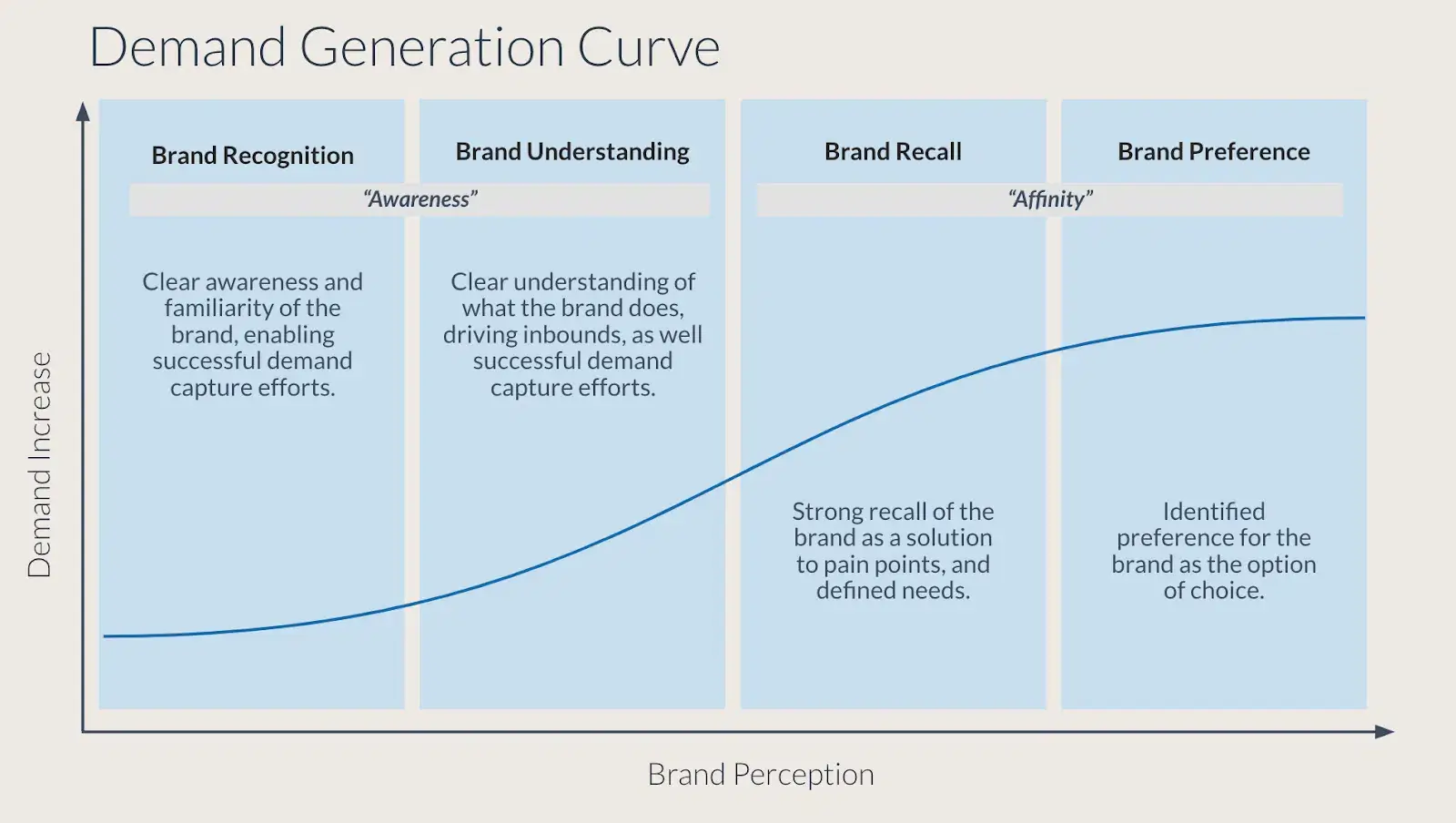
4. Brand-led recall influences shortlisting
Most SaaS buyers compare only 3–5 tools. Strong brand awareness increases the chance you’re even considered. If you’re not remembered, your features don’t matter.
5. It compounds over time
Unlike short-term campaigns, awareness builds cumulative memory. Repeated exposure to a clear message creates mental availability. This is how brands win before competitors start pitching.
6. Sales teams feel the impact directly
Fewer “What does your company do?” calls. More “I’ve seen you before” conversations. This ensures shorter ramp time on first meetings.
For SaaS, brand awareness is not about being loud. It’s about being recognizable, consistent, and easy to place in a category.
That’s why high-performing SaaS teams invest early in brand awareness campaigns and anchor them to a clear brand awareness strategy, long before pipeline pressure forces reactive marketing.
How to Make A Brand Awareness Campaign?
A brand awareness campaign isn’t about launching fast. It’s about building memory the market can retrieve later.
Here’s a practical, SaaS-tested way to approach it:
1. Start with one clear positioning cue
Decide what you want to be remembered for. One problem. One category. One role. If your team can’t summarize it in a sentence, buyers won’t remember it.
2. Design for repetition, not novelty
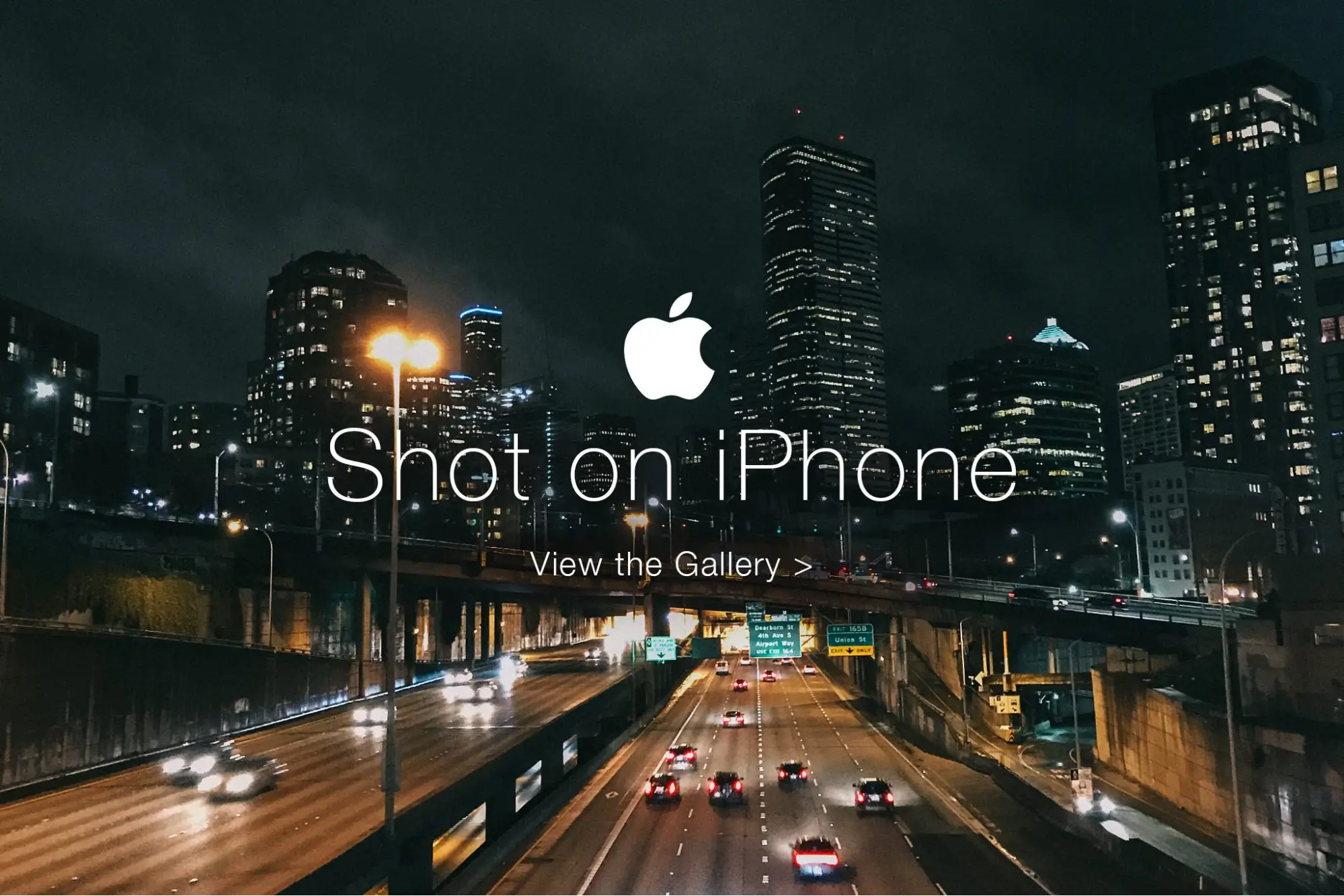
Awareness grows through repeated exposure. The same message should appear across formats and channels. If it feels repetitive internally, you’re doing it right. See how Apple ensures brand visibility through repeated exposure of the “Shot on iPhone” brand message:
3. Anchor the campaign to real buying triggers
Tie your message to moments when buyers start researching. Think audits, scaling pain, compliance deadlines, or operational roadblocks. This improves recall when intent appears.
4. Choose channels your ICP already trusts
Don’t chase every platform. Focus on where your buyers spend attention consistently such as LinkedIn, industry media, or events. Awareness fails when distribution is an afterthought.
5. Build simple, recognizable creative assets
Logos, product visuals, headlines, and tone should stay consistent. This applies directly to brand awareness ads, where clarity beats cleverness every time.
6. Use education as your entry point
Teach the problem clearly without pushing the product. Strong content for brand awareness shows understanding before it asks for attention. This builds credibility early.
7. Run long enough to see signals, not noise
Awareness doesn’t spike overnight. Measure trends in branded search, direct traffic, and sales conversations over months, not weeks.
A strong brand awareness campaign feels calm, focused, and intentional and free of mixed messages. Just consistent presence, until the market starts recognizing you before you ever pitch.
Improve Your Brand’s Visibility with Content Beta
Brand awareness doesn’t improve through isolated efforts. It grows when creative, messaging, and distribution work together over time.
At Content Beta, the focus is on building brand campaigns that are designed for recall, not quick spikes. From video-led narratives to repeatable visual systems, every asset is created to reinforce one clear positioning across channels. The goal is simple: help buyers recognize your brand before they start comparing options.
For SaaS and B2B teams, this approach turns awareness into advantage. Not louder video marketing, but successful marketing campaigns that shorten sales cycles, warm up demand, and make your brand easier to remember when it counts.
Frequently Asked Questions (FAQs)
What is an example of a brand campaign?
An example of a brand campaign is a consistent message repeated across ads, content, and social that clearly positions the brand in a specific category. The goal isn’t immediate conversion, but recognition. So buyers remember the brand when they later start evaluating solutions.
What is the 3 7 27 rule of branding?
The 3-7-27 rule of branding suggests buyers need 3 seconds to notice you, 7 impressions to remember you, and up to 27 interactions to trust you enough to act. It reinforces why brand awareness must be consistent and repeated across channels, and never be treated as a one-off campaign.
What are the 5 pillars of brand strategy?
The five pillars of brand strategy typically include positioning, target audience, brand promise, visual and verbal identity, and consistency across engagement points. Together, they ensure the brand is easy to recognize, easy to place in a category, and trusted over time.
We have made videos for 200+ B2B & SaaS companies.
Explainer Video, Product Demo, Remote Video Testimonials, and more.